Nagorno-Karabakh to dissolve, ending independence dream / Photo: ALAIN JOCARD - AFP
Nagorno-Karabakh's decades-long, bloody dream of independence ended on Thursday with a formal decree declaring that the ethnic Armenian statelet in Azerbaijan "ceases to exist" at the end of the year.
The dramatic decree issued by the separatist region's leader came moments after it was announced that more than half of the ethnic Armenian population has fled in the wake of last week's assault by arch-rival Azerbaijan.
Baku's lightning offensive ended with a September 20 truce in the which the rebels pledged to disarm and enter "reintegration" talks.
Two rounds of talks were held as Azerbaijani forces methodically worked with Russian peacekeepers to collect separatist weapons silos and enter towns that had remained outside Baku's control since the sides first fought over the region in the 1990s.
Azerbaijani forces have now approached the edge of Stepanakert -- an emptying rebel stronghold where separatist leader Samvel Shakhramanyan issued his decree.
"Dissolve all state institutions and organisations under their departmental subordination by January 1, 2024, and the Republic of Nagorno-Karabakh (Artsakh) ceases to exist," said the decree.
"The population of Nagorno-Karabakh, including those located outside the republic, after the entry into force of this Decree, familiarise themselves with the conditions of reintegration presented by the Republic of Azerbaijan."
- 'Ethnic cleansing' -
The republic and its separatist dream have been effectively vanishing since Azerbaijan unlocked the only road leading to Armenia on Sunday.
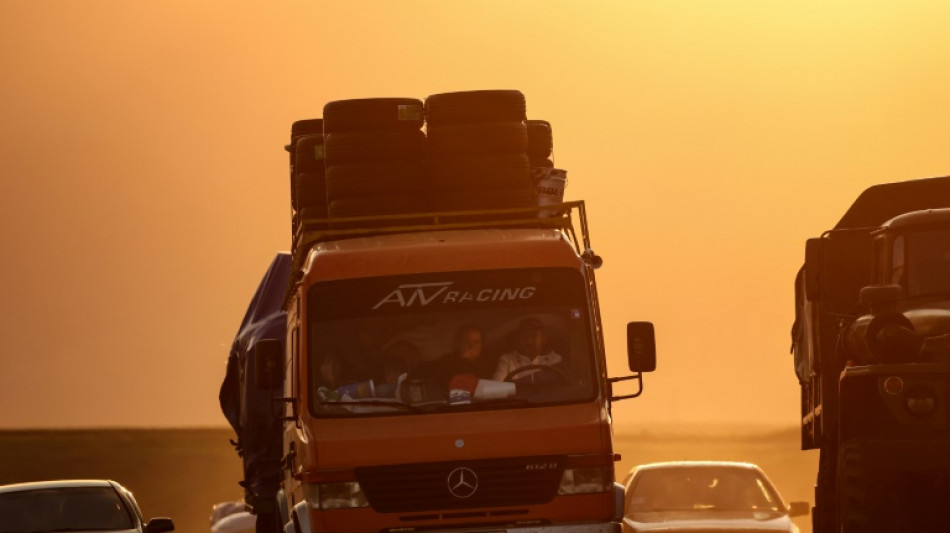
Tens of thousands have since been piling their belonging on top of their cars and taking the winding mountain journey to Armenia every day.
Armenia said more than 65,000 had left by Thursday morning -- more than half of the region's estimated 120,000-strong population.
Armenian Prime Minister Nikol Pashinyan said Thursday that "in the coming days" all ethnic-Armenians will have left the region, where ethnic Armenians have been living for centuries.
"This is an act of ethnic cleansing of which we were warning the international community (about for a long time."
Nagorno-Karabakh has been officially recognised as part of Azerbaijan since the Soviet Union's collapse in 1991.
No country -- not even Armenia -- recognised the statelet's independence claim.
But ethnic Armenian separatists have been running the region since winning a brutal war in the 1990s that claimed tens of thousands of lives.
The fighting was accompanied by allegations of massacres against civilians and gross violations of human rights that many in the region recall to this day.
But the bloody feud between the mostly Christian Armenian and predominantly Muslim Azerbaijan dates back to the years in the 1920s when the region was handed to Baku by the Soviets.
Baku clawed back large parts of the statelet and its surrounding areas in a six-week war in 2020 that significantly weakened rebel defences.
Azerbaijan has agreed to allow rebel fighters who lay down their arms to withdraw to Armenia.
But Baku added that it reserved the right to detain and prosecute suspects of "war crimes".
Azerbaijani border guards on Wednesday detained Ruben Vardanyan -- a reported billionaire who headed the Nagorno-Karabakh government from November 2022 until February.
The region's former foreign minister David Babayan said he had also been added to Baku's "black list" and agreed to hand himself over to Azerbaijani authorities.
A.Peeters--LCdB