EU pledges lasting support at 'historic' Kyiv meeting / Photo: Anatolii STEPANOV - AFP
The European Union signalled its long-term support for Ukraine on Monday as its foreign ministers convened in the capital Kyiv for a historic first gathering outside the bloc's borders.
The meeting comes as disagreements grow among EU members over support for Ukraine and as Kyiv's forces make limited gains in a high-stakes counteroffensive against Russian troops.
"We are convening in a historic meeting of the EU foreign ministers here in Ukraine, candidate country and future member of the EU," the bloc's foreign policy Josep Borrell said in a statement online.
The purpose of the meeting was to "express our solidarity and support to the Ukrainian people", he said, acknowledging that the gathering "does not have the aim of reaching concrete conclusions and decisions".
Ukraine's foreign minister hailed the summit as an important signal of European support for Kyiv.
"For the fist time ever the foreign affairs council is going to sit down outside of its current borders -- outside the borders of the European Union -- but within future borders of the European Union," Dmytro Kuleba told reporters alongside Borrell.
The EU's 27 nations have remained broadly united through the 19 months of war on their support for Ukraine, hitting Russia with 11 rounds of sanctions and spending billions of euros on arms for Kyiv.
- 'Lasting support' -
But there are now growing fears of cracks appearing within the bloc as concern also rises over the support of key backer the United States.
Hungary, Russia's closest ally in the EU, could now be joined by Slovakia as a potential block to more backing as populist Robert Fico pushes for power in Bratislava after winning elections this weekend.
There have also been tensions between Kyiv and some of its most strident backers on the EU's eastern edge -- most notably Poland -- over the influx of Ukrainian grain onto their markets.
France's top diplomat Catherine Colonna appeared to address the concerns of wavering backing, saying the meeting was a signal to Moscow of the bloc's determination to support Ukraine over the long term.
"It is a demonstration of our resolute and lasting support for Ukraine, until it can win," she told reporters.
"It is also a message to Russia that it should not count on our fatigue. We will be there for a long time to come."
The foreign ministers of Hungary, Poland and Latvia did not attend the summit, a Ukrainian government official told AFP on condition of anonymity. The Polish and Latvian representatives were ill, the official said.
Dutch Foreign Minister Hanke Bruins Slot said it was "really important to meet here today to show our solidarity with Ukraine."
Russian President Vladimir Putin ordered troops into Ukraine in February 2022 and his army swept quickly through large swathes of the south and east of the country but were beat back from the north.
- Attack on missile factory -
In June, Kyiv launched a long-awaited counteroffensive but has acknowledged slow progress as its forces encounter deep lines of heavily fortified Russian defences.
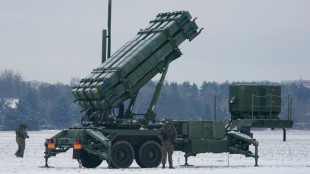
Ukraine has been appealing for more Western arms, in particular longer-range missiles, to regain territory occupied by Russian forces.
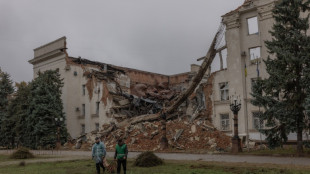
Authorities have warned ahead of winter that Russia has restarted a systemic campaign of aerial attacks on Ukraine's energy infrastructure, a strategy that last year left millions without heating or water for long periods.
On Monday, Interior Minister Igor Klymenko said Russia shelled the city of Kherson in the south, critically wounding a civilian and two police.
Separately, Kyiv's intelligence service said in a statement that Ukraine's drones at the weekend had struck a plant that produces cruise missiles in the western region of Smolensk.
"Three out of four drones hit the target, causing significant damage to the production facilities of the military enterprise of the aggressor state," Ukraine's military intelligence said in a statement.
A.Gerard--LCdB