After months of war, young Israelis hope for 'new beginning' in 2024 / Photo: SAID KHATIB - AFP/File
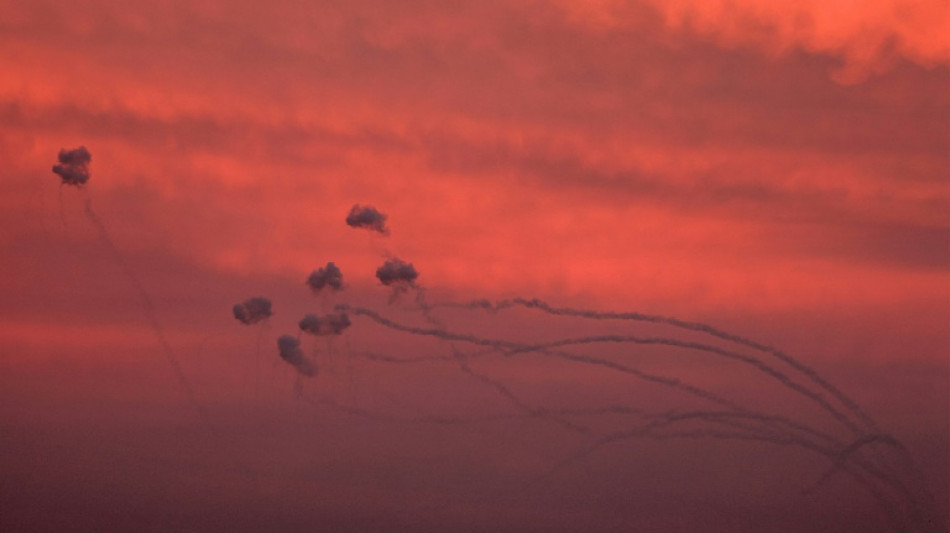
Seconds after ringing in the new year on a lively street in Tel Aviv, some young Israelis found themselves running for cover while others kept the party going with a shrug as missile defence systems intercepted a barrage of rockets overhead.
The attack at the stroke of midnight, just as many were trying to forget about the war in the Gaza Strip, seemed to underscore the fatigue at the ongoing fighting expressed by many of the young revellers gathered to celebrate New Year's Eve.
"We were all afraid on the corners... my heart was pounding," Gabriel Zemelman, 26, said in front of a bar after the rocket fire.
"It's not like the usual life you imagine, even me who was born here," he added. "It's terrifying. You just saw the life we live, it's crazy."
The Ezzedine al-Qassam Bridages, the armed wing of Hamas, claimed responsibility for the attack in a video published on social media, saying they had fired M90 rockets in "response to the massacres of civilians" carried out by Israel.
The Israeli army confirmed the attack, without initially reporting any casualties or damage.
The street in Tel Aviv was crowded with partiers on Sunday night in spite of the ongoing war in Gaza, which has dragged on for nearly three months.
Gelerenter, a 17-year-old student, said she had initially been "afraid" to come out, but ultimately decided to join her friends to celebrate "a new beginning" for 2024.
Musician Boaz Bates said he was "praying for peace, for people to stop hating each other and come together".
- 'Get on with our lives' -
Ido Hurvitz had come out for dinner at a restaurant before going to a private party to ring in the new year. He said he hoped "we can learn to live together, because most of us want peace".
Despite the festive atmosphere, the 24-year-old technology student said his own feelings were lukewarm: "Our country is at war, but we have to get on with our lives, that's our way of winning."
Beside him, 24-year-old reservist Shir Taitou, also had mixed feelings, explaining that she had wanted to come out, but was "sad" that some of her friends were mobilised in Gaza.
The war was triggered by Hamas's bloody October 7 attacks on Israel, which left around 1,140 people dead, most of them civilians, according to an AFP tally based on official figures. Militants also took around 250 people hostage, most of whom remain in Gaza.
In response, Israel launched a devastating offensive in the Gaza Strip, reducing vast areas of Gaza to a ruined wasteland and killing at least 21,822 people, mostly women and children, according to the Hamas-run health ministry.
In front of one Tel Aviv bar, people danced in the street to blaring techno music under a large sign that read "Bring them home now!" -- a reference to the hostages.
Some didn't have the heart to party, like server Ran Stahl, 24, who opted to work the New Year's party.
"I dressed well tonight because I need to get my head above water," he said, explaining that one of his friends was among those killed on October 7 at the Supernova music festival.
Since then, he hasn't felt "allowed" to have fun, he said.
"The minute I start to dance, I feel guilty -- the sadness and mourning come back."
A.Peeters--LCdB