Pressure mounts on Israel as Gaza truce talks to resume in Qatar
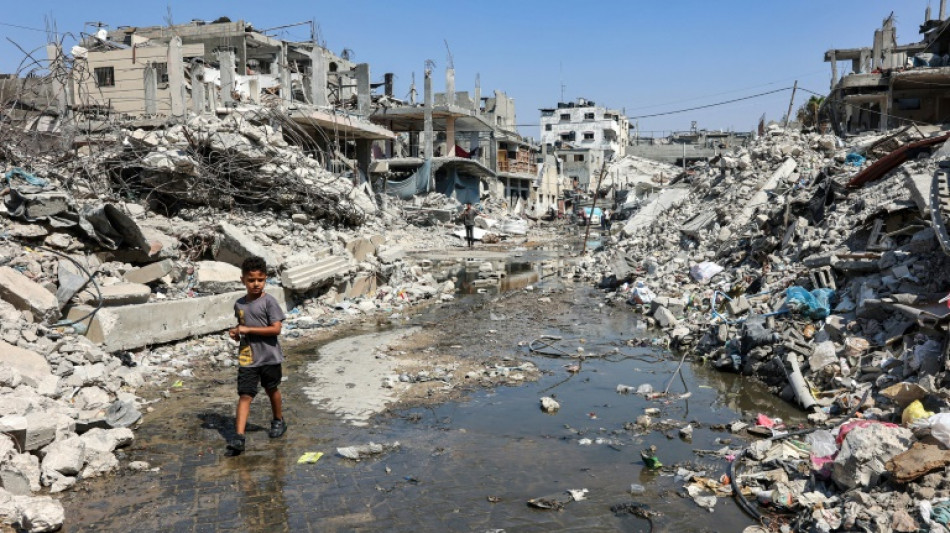
/ Photo: Omar AL-QATTAA - AFP
Diplomatic pressure mounted on Israel Friday to secure a truce that could avert a wider war after more than 10 months of fighting in Gaza, as mediators prepared to meet for a second day of talks in Qatar.
Months of effort by international negotiators have yet to secure a truce or hostage release deal but regional tensions have since soared, underscoring the urgency of a ceasefire agreement.
Hamas Palestinian militants were absent, saying they had agreed to terms and urging the United States to pressure Israel.
The risk of a broader Middle East war has surged since the July 31 killing of Hamas political leader Ismail Haniyeh in Tehran. Iran and its allied groups in the region blamed Israel and vowed revenge.
US National Security Council spokesman John Kirby said the talks had "a promising start" but "there remains a lot of work to do".
The United States, Israel's main ally and military supplier, has been mediating with Qatar and Egypt, alongside intensive efforts by other nations pushing for a truce.
"This is a dangerous moment for the Middle East. The risk of the situation spiralling out of control is rising," British Foreign Secretary David Lammy said ahead of his visit to Israel with French Foreign Minister Stephane Sejourne.
In meetings with Israel's Foreign Minister Israel Katz and Minister of Strategic Affairs Ron Dermer, Britain's foreign ministry said they would "stress there is no time for delays or excuses from all parties on a ceasefire deal" in Gaza.
Katz told his visiting counterparts he expects foreign support "in attacking" Iran if it strikes Israel.
- 'We are being killed' -
Hamas's unprecedented October 7 attack on Israel triggered the war that resulted in the deaths of 1,198 people, mostly civilians, according to an AFP tally of Israeli official figures.
Militants also seized 251 hostages, 111 of whom are still held in Gaza, including 39 the military says are dead. Some were freed during a one-week truce in November.
On Thursday the toll from Israel's retaliatory military campaign in Gaza topped 40,000, according to the health ministry in Hamas-run Gaza, which does not provide a breakdown of civilian and militant casualties.
While the Qatar talks take place with a team sent by Israeli Prime Minister Benjamin Netanyahu, bombs have continued to fall in the Palestinian territory.
"Why did Netanyahu send a delegation to the talks while we are being killed here?" in Jabalia, Mohammed al-Balwi asked among the concrete debris left from an air strike Thursday in north Gaza.
They had found "limbs on the ground", he said.
On Friday Gaza's civil defence agency said its crews recovered five bodies from a bombed apartment building in Gaza City, near Jabalia.
Witnesses reported air raids in central Gaza and near the southern city of Khan Yunis.
Israel's military said rockets had been fired on Thursday from Khan Yunis toward Kissufim, just outside Gaza.
On Friday the military cited rocket and other fire in announcing new evacuation orders for the Khan Yunis region, from which troops had withdrawn four months ago.
- US strike in Yemen -
Netanyahu says Israel must have "total victory" but troops have found themselves returning to fight again in Khan Yunis and northern Gaza where, in January, the military declared the Hamas command structure dismantled.
Israeli aircraft struck more than 30 militant targets in Gaza over the previous day, the military said on Friday.
The death of Hamas leader Haniyeh came hours after an Israeli strike killed Fuad Shukr, a top operations chief of Lebanon's Iran-backed Hezbollah movement, which has exchanged near-daily cross border fire with Israeli forces.
The Gaza war has also drawn in Tehran-aligned groups in Iraq, Syria and Yemen.
On Thursday the US military said its forces destroyed a "ground control station" operated by Yemen's Iran-backed Huthi rebels, who have for months fired missiles and drones at shipping in waterways vital to world trade off Yemen.
The Huthis, like Hezbollah, say they are acting in support of the Palestinians.
- 'Deals not war!' -
Violence has also surged in the Israeli-occupied West Bank.
The Palestinian foreign ministry on Friday described as "organised state terrorism" a Jewish settler attack on a Palestinian West Bank village the previous day.
Israeli officials condemned the incident, the latest of its kind, and the White House called it "unacceptable".
The Palestinian health ministry in Ramallah said "settlers' bullets" killed one man and critically wounded another during the attack in Jit, near Nablus.
The Israeli military said dozens of Israeli civilians, some masked, entered Jit and "set fire to vehicles and structures in the area, hurled rocks and Molotov cocktails".
Mediators are seeking to finalise details of a framework initially outlined by US President Joe Biden in May, and which he said Israel had proposed.
While Hamas is not directly taking part in the Qatar talks, an official of the Islamist movement, Osama Hamdan, told AFP the group would join if the meeting set a timetable for implementing what Hamas had already agreed to.
Hamas officials, some analysts and protesters in Israel have accused Netanyahu of prolonging the war.
Relatives and supporters of Israeli hostages again took to the streets of Tel Aviv on Thursday. "Make deals not war!" one of their signs said.
Far-right members crucial to Israel's ruling coalition oppose any truce, and Netanyahu has called Hamas leader Yahya Sinwar "the only obstacle to a hostage deal".
I.Mertens--LCdB