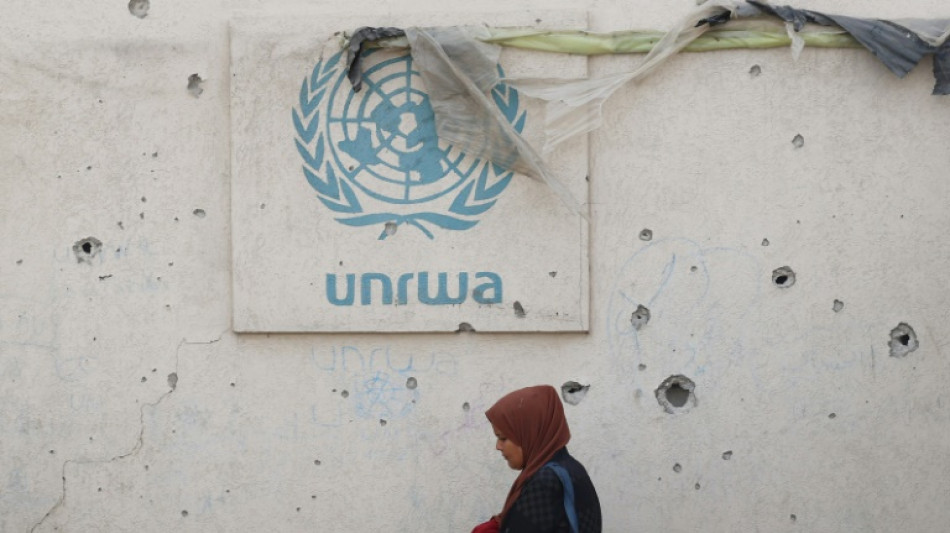
Record 281 aid workers killed in 2024, says UN / Photo: Eyad BABA - AFP/File
A staggering 281 aid workers have been killed around the world so far this year, making 2024 the deadliest year for humanitarians, the UN aid chief said Friday.
"Humanitarian workers are being killed at an unprecedented rate, their courage and humanity being met with bullets and bombs," said Tom Fletcher, the United Nations' new under-secretary-general for humanitarian affairs and emergency relief coordinator.
With more than a month left to go of 2024, the "grim milestone was reached", he said, after 280 humanitarians were killed across 33 countries during all of 2023.
"This violence is unconscionable and devastating to aid operations," Fletcher said.
"States and parties to conflict must protect humanitarians, uphold international law, prosecute those responsible, and call time on this era of impunity."
Israel's devastating war in Gaza was driving up the numbers, his office said, with 333 aid workers killed there -- most from the UN agency supporting Palestinian refugees, UNRWA -- since Hamas's October 7, 2023 attacks, which sparked the war.
OCHA spokesman Jens Laerke told reporters in Geneva that 243 UNRWA staff had been killed in the war to date.
Beyond Gaza, aid workers were subject to kidnappings, injuries, harassment and arbitrary detention in a range of countries, the agency said, including Afghanistan, the Democratic Republic of the Congo, Sudan, and Ukraine.
The majority of deaths involve local staff working with non-governmental organisations, UN agencies and the Red Cross Red Crescent movement, Fletcher's office said.
"Violence against humanitarian personnel is part of a broader trend of harm to civilians in conflict zones," it warned.
"Last year, more than 33,000 civilian deaths were recorded in 14 armed conflicts -- a staggering 72 per cent increase from 2022."
Laerke said the fresh numbers on killings of humanitarians "defy comprehension".
"These frontline workers ... being killed (while) really doing the best humanity has to offer is outrageous and should hopefully make people sit up and take notice."
The text called for recommendations from the UN chief -- set to be presented at a council meeting next week -- on measures to prevent and respond to such incidents and to increase protection for humanitarian staff and accountability for abuses.
T.Luyten--LCdB