After a 'flood of fire', Goma delivered to looters / Photo: - - AFP
Heavy artillery fire and bursts of automatic weapons resonated for endless hours.
The streets of the eastern DR Congo city of Goma, where the Rwandan army and the M23 extended control in clashes with the Congolese army and its allies, were almost deserted Tuesday.
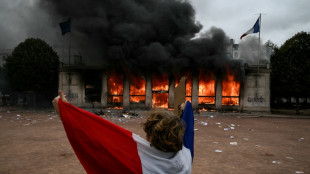
The city centre, one of the eastern provincial capital's most upscale neighbourhoods close to the border, was the scene of a "flood of fire" on Monday, according to multiple residents.
Mortars, rockets and bullets of all calibres rained down on homes, administrative buildings and land owned by international NGOs, while units of the Congolese army put up unexpected resistance against Rwandan troops reputed to be far superior in training and weaponry.
As the fighting raged, Congolese and foreign civilians lived the same days and nights of anguish, unable to contact loved ones, with the telephone and internet networks cut off.
Residents holed up at home, fearing bombs and stray bullets. But also looting and robberies.
On Monday, dozens of pro-DRC militiamen walked along an avenue in the Himbi district located further west, weapons in hand, sometimes firing into the air.
Some stripped and threw their uniforms over the fences in a bid to escape capture.
- Robberies -
The next day, shooting began to fall off in intensity.
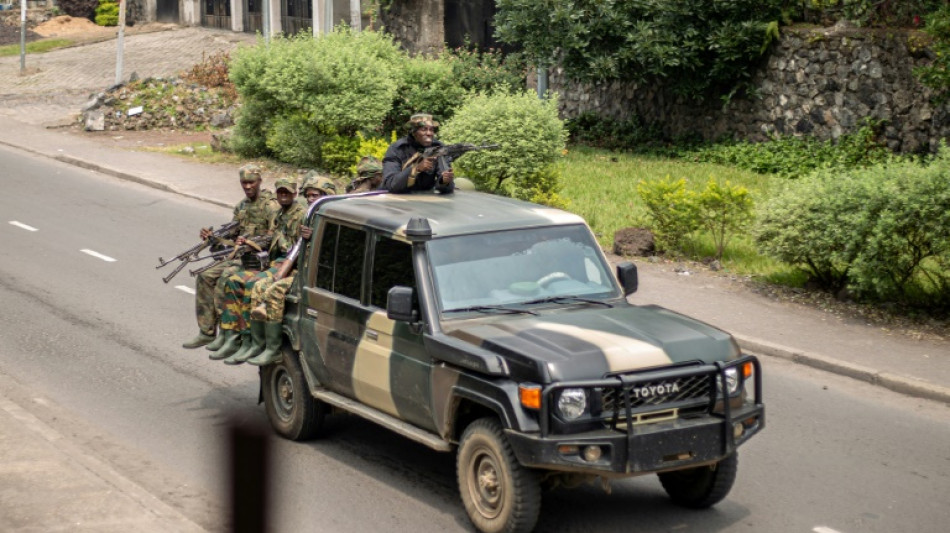
And M23 fighters were the first to walk down the deserted avenue.
Some wore bulletproof vests and carried weapons recovered from fighters from the Kinshasa forces.
Electricity and water have been cut off throughout the city for several days.
Despite the bursts of light weapons fire that sporadically echoed around, residents hurried down to fetch water from Lake Kivu shore, yellow plastic cans in hand.
Several of them said they were robbed the day before by militiamen or Congolese soldiers.
"We met with soldiers, they stole everything from us, our phones, even our shoes," said Jospin Nyolemwaka, who fled the neighbourhoods on the western outskirts to take refuge in the city center.
The western outskirts of the city, under the control of the M23, have also seen intense fighting.
On Tuesday morning, bodies littered a street in the Keshero neighbourhood. Some were wearing Congolese army uniforms, others dressed in civilian clothes.
In Ndosho, a neighbouring area that has also fallen into the hands of the M23, security returned. But a huge crowd pushed to get through the doors of a humanitarian warehouse.
Left unguarded, it has been looted from top to bottom.
Local residents, prisoners for long days without food or water, filed past, carrying everything they could.
Packages of tiles. Mattresses. Bags of flour stamped "USAID", the United States Agency for International Development.
Abandoned by the police, the city has become a scene of systematic looting, according to multiple witnesses.
Twenty to thirty bodies were piled up in front of the city's main hospital and lines of prisoners were moving up the streets escorted by M23 fighters.
R.Michiels--LCdB