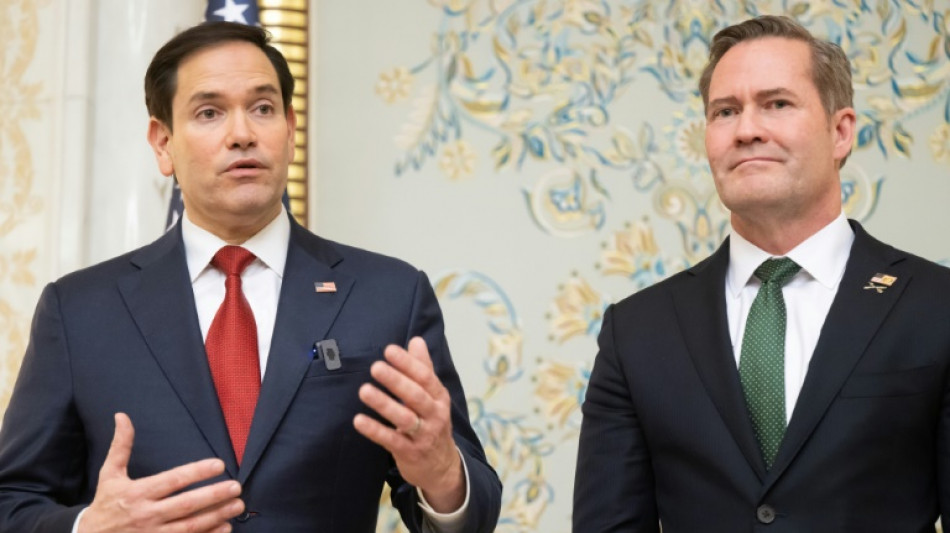
Ukraine backs US proposal for 30-day ceasefire in war with Russia / Photo: SAUL LOEB - POOL/AFP
Ukraine endorsed an American proposal for a 30-day ceasefire and agreed to immediate negotiations with Russia in pivotal talks in Jeddah on Tuesday after three years of grinding war.
In the first high-level US-Ukraine meeting since President Volodymyr Zelensky's White House dressing down, the Americans agreed to restore military aid and they pledged to conclude a deal on Ukrainian minerals "as soon as possible", a joint statement said.
"Today we made an offer that the Ukrainians have accepted, which is to enter into a ceasefire and into immediate negotiations," US Secretary of State Marco Rubio said.
"We'll take this offer now to the Russians and we hope they'll say yes to peace. The ball is now in their court," he added.
The joint statement said that "Ukraine expressed readiness to accept the US proposal to enact an immediate, interim 30-day ceasefire, which can be extended by mutual agreement of the parties".
The ceasefire is "subject to acceptance and concurrent implementation by the Russian Federation," it added.
"The United States will communicate to Russia that Russian reciprocity is the key to achieving peace."
National Security Advisor Mike Waltz said he would now speak to Russia about the proposal, adding it was now a question of "how" not "if" the war would end.
The talks in western Saudi Arabia took place after Ukraine launched its biggest direct attack on Moscow overnight, with hundreds of drones slamming into the capital and other areas, leaving three people dead.
The Ukrainians were hoping to restore the US military aid, intelligence sharing and access to satellite imagery that was cut off after Zelensky's public row with President Donald Trump and Vice President JD Vance.
They entered the meeting with a proposal for a sea and sky ceasefire that had been cautiously welcomed by Rubio.
"We are ready to do everything to achieve peace," the Ukrainian president's chief of staff Andriy Yermak told reporters as he entered Tuesday's meeting at a luxury hotel.
Kyiv said the "largest drone attack in history" was intended to push Russian President Vladimir Putin to agree to the aerial and naval ceasefire.
"This is an additional signal to Putin that he should also be interested in a ceasefire in the air," said Andriy Kovalenko, a national security council official responsible for countering disinformation.
- Minerals deal -
Zelensky, who met Saudi Arabia's de facto ruler in Jeddah on Monday, left the White House late last month without signing an agreement pushed by Trump that would give the US control over Ukrainian mineral resources.
Asked whether the overnight drone attack could derail peace talks, Kremlin spokesperson Dmitri Peskov said: "There are no (peace) negotiations yet, so there is nothing to disrupt here."
He also declined earlier to comment on Russia's stance on the proposed partial ceasefire.
"It is absolutely impossible to talk about positions yet," he said.
"The Americans will find out only today, as they themselves say, from Ukraine to what extent Ukraine is ready for peace."
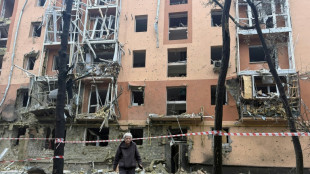
For its part, Russia has escalated strikes on Ukrainian infrastructure, and said it had retaken 12 settlements in its Kursk region that Ukraine had captured in a bid for bargaining leverage.
- Rubio seeks 'concessions' -
In the infamous White House meeting last month, Zelensky refused to bite his tongue in the face of criticism from Vice President JD Vance, with the Ukrainian leader questioning why his country should trust promises from Russia.
He has since written a repentant letter to Trump.
Rubio had signalled that the Trump administration would likely be pleased by the Ukrainian proposal of a partial ceasefire.
"I'm not saying that alone is enough, but it's the kind of concession you would need to see in order to end the conflict," he told reporters.
Rubio said he did not expect to be "drawing lines on a map" towards a final deal in the Jeddah meeting, but that he would bring ideas back to Russia.
Trump last week also threatened further sanctions against Russia to force it to the table as it carried out strikes on Ukraine.
But Trump's abrupt shift in US policy -- including suggesting Ukraine was to blame for the war, and recently siding with Russia at the UN -- has stunned many allies.
Rubio said Monday that the United States would also object to "antagonistic" language on Russia from a forthcoming meeting of Group of Seven foreign ministers.
burs-sct/th/kir
K.Cox--LCdB