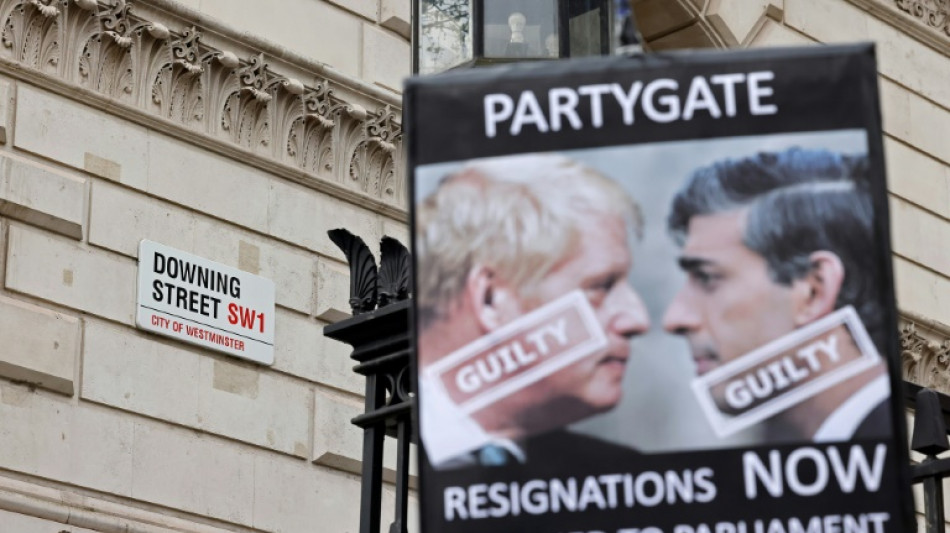
UK Tories hold first round of voting for new PM / Photo: Tolga Akmen - AFP
Britain's ruling Conservative party was Wednesday to winnow down the eight candidates vying to succeed Prime Minister Boris Johnson amid growing acrimony over alleged dirty tricks.
Johnson was to face one of his last sessions of Prime Minister's Questions in the House of Commons before his successor is announced on September 5, after controversially blocking an opposition Labour bid to evict him sooner.
The Labour party had been seeking Wednesday to force a Commons vote of no confidence in Johnson's premiership, arguing the UK can ill-afford weeks more of Tory infighting given a cost-of-living crisis and challenges such as the war in Ukraine.
But the government refused to give the motion time for debate, in a move dubbed unprecedented by constitutional experts.
Johnson was forced last week to announce his resignation after a stunning cabinet revolt -- including by then finance minister Rishi Sunak -- following a string of scandals that left the Conservatives sliding in opinion polls against Labour.
It was a spectacular fall from grace for a politician who secured a landslide election win in December 2019 and took the UK out of the European Union just a month later, before the Covid pandemic struck.
Conservative MPs were to vote on the eight candidates who survived an initial cull Tuesday, with a result expected around 1600 GMT Wednesday.
Those failing to get 30 votes will be eliminated. A series of votes will be held into next week until there are just two left in the race.
Grassroots party members will then be balloted.
While Johnson himself says he will stay above the fray, his remaining loyalists have not held back in rubbishing frontrunner Sunak, and have been coalescing behind the right-wing foreign secretary, Liz Truss.
Sunak's camp denied orchestrating a plot to boost the standing of less favoured candidates in the hope of seeing off stronger contenders such as Truss, before the final runoff vote by party members.
Transport Secretary Grant Shapps, who withdrew from the race to support Sunak, also pushed back at the claims that his candidate had been a "socialist chancellor" for overseeing a massive support package during the pandemic.
Sunak has since been stressing the need to balance the books, in contrast to a free-for-all series of tax cuts promised by leadership rivals that have drawn concern from the Bank of England and independent economists.
Former junior minister Kemi Badenoch, new chancellor Nadhim Zahawi, ex-health secretary Jeremy Hunt and Attorney General Suella Braverman rounded out the eight.
S.Denis--LCdB