Spain races to contain blazes before temperatures rise / Photo: Cesar MANSO - AFP
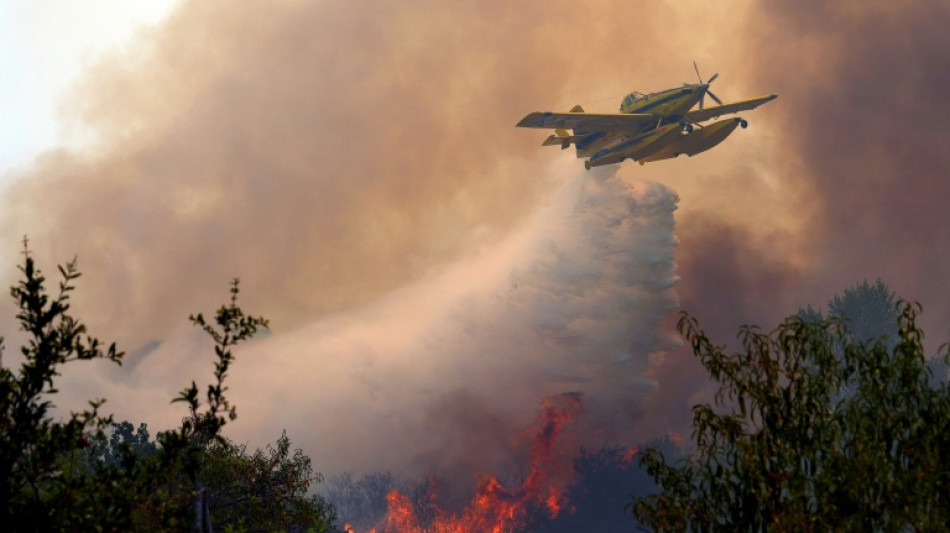
Spain faces two crucial days to bring raging wildfires under control before weather conditions worsen, authorities said Monday, though they were making some progress and planned to start returning evacuees to certain areas.
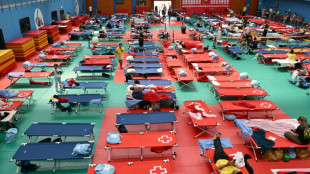
The wildfires that broke out in forested areas around the Spanish capital at the height of the summer holidays have forced some 60,000 people to flee their homes, often with just minutes' notice, leaving pets and medicine behind.
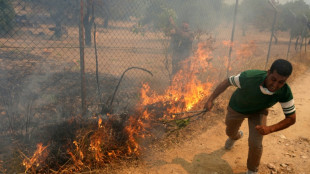
"You run to save what you can and then you turn to defend" against the fire, said Karim Benali, 39, a volunteer who spoke to AFP on a road near Navaluenga, west of Madrid.
"There were some 48 homes here, they burned," he said, surrounded by charred earth and trees blanketed with a persistent smell of smoke.
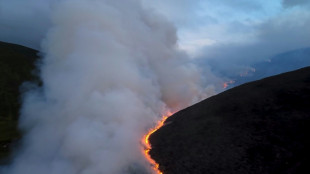
The fires have been feeding on forests left tinder-dry by successive heatwaves and lack of rain since May.
Overnight, lower temperatures, weaker winds and higher air humidity helped make progress against the blazes west of the capital, the Madrid regional government said.
The flames have "slowed their advance" during the night, it said, urging residents to remain "extremely cautious".
"The situation has improved slightly, but the fire is still active," it said.
But with humidity levels set to drop and temperatures soar across Spain, hitting 40C in the centre and south according to meteorological agency AEMET, firefighters face a small window of opportunity.
Interior Minister Fernando Grande-Marlaska told reporters on Monday that "today and tomorrow are absolutely decisive days" to control the fires, "because from Wednesday the weather forecasts become highly unfavourable for firefighting efforts".
"The next two days will not bring the most favourable conditions, nor the ones we would have wanted, but they are two days in which we can take the initiative, make progress, and work towards controlling and containing the blaze."
AEMET said that from Tuesday onwards the fire risk would "surge to very high or extreme levels across almost the entire country."
"This situation will persist, or may even worsen, in the following days," it added.
- 'Lost everything' -
Maria Angeles Canete fought back tears as she looked around the desolation that used to be her home at a campsite near Navaluenga, after authorities said they would allow people to return to some evacuated places.
"We lost everything," she said. "We had this campsite, we had another one, and we've lost it all. We have nothing."
Madrid regional authorities said on Monday they were planning to restore the bus service between Madrid and the Villamanta area close to the fires, and allow farmers to return to feed their animals.
Scientists say climate change is making extreme weather events more frequent and intense.
Spanish Prime Minister Pedro Sanchez directly blamed global warming on Monday, describing the fires as "the most painful expression of a climate emergency".
"This is no longer an exception, this is a rule itself," he added during a meeting in Madrid.
Sanchez is due to visit a fire-hit area in Valencia, in the east of the country where firefighters are battling a separate blaze and 15,000 people have been evacuated.
Since the start of the year, fires in Spain have ravaged 150,000 hectares and killed 13 people, according to Sanchez.
burs/yad/dcp/st
D.Moerman--LCdB