Malta Weighs AI Guidelines After ECHR Bans Lawyer for Fabricated Citations
Malta’s government is facing renewed scrutiny over the use of artificial intelligence in its legal system following a landmark decision by the European Court of Human Rights. The Strasbourg court banned a Romanian lawyer for two years after she submitted fabricated case law generated by AI, highlighting the urgent need for clear regulatory frameworks in judicial proceedings.
Malta’s approach to regulating artificial intelligence within its judicial system is under scrutiny following a significant disciplinary action by the European Court of Human Rights (ECHR). The Strasbourg-based court has banned a Romanian lawyer from practicing before it for two years after she submitted legal briefs containing fabricated case law generated by AI tools.
The ban was imposed on November 13, 2026, following a reasoned proposal by a Chamber and a decision by Court President Mattias Guyomar under Rule 44D §§ 1 and 2 of the Rules of Court. The disciplinary measure addresses a pattern of substantive errors in the lawyer’s written observations, which included citations to non-existent cases, references to fictitious paragraphs in genuine judgments, and irrelevant or contradictory references to existing case law.
The incident underscores the growing risks associated with unverified AI-generated material in legal proceedings. While artificial intelligence can assist legal professionals with research and drafting, the ECHR’s decision reinforces that lawyers remain personally responsible for the accuracy and reliability of all material submitted to the court.
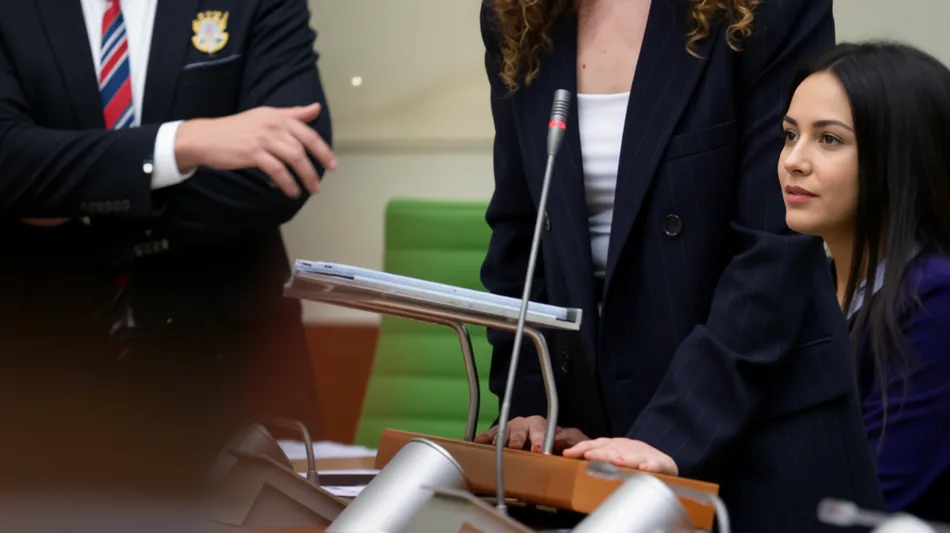
In Malta, the implications of such technology are currently being debated at the highest levels of government. Nationalist Party Member of Parliament Eve Borg Bonello recently raised questions in Parliament regarding the guidelines governing the use of AI in judicial proceedings. She directed her inquiry to Justice Minister Clifton Grima, seeking clarity on what protocols are in place to manage these emerging risks.
As European institutions begin to address the challenges posed by AI in the legal sector, Malta’s Justice Minister has yet to provide a response to the parliamentary query. The ECHR’s ruling serves as a stark reminder of the potential consequences when AI-generated content is presented without rigorous verification.
N.Lambert--LCdB